Menu

Call This Thursday to Get $25 OFF

How To Spot Weak Structural Points In Your Wardrobe System Before A Closet Repair Emergency
11/Jun/2026

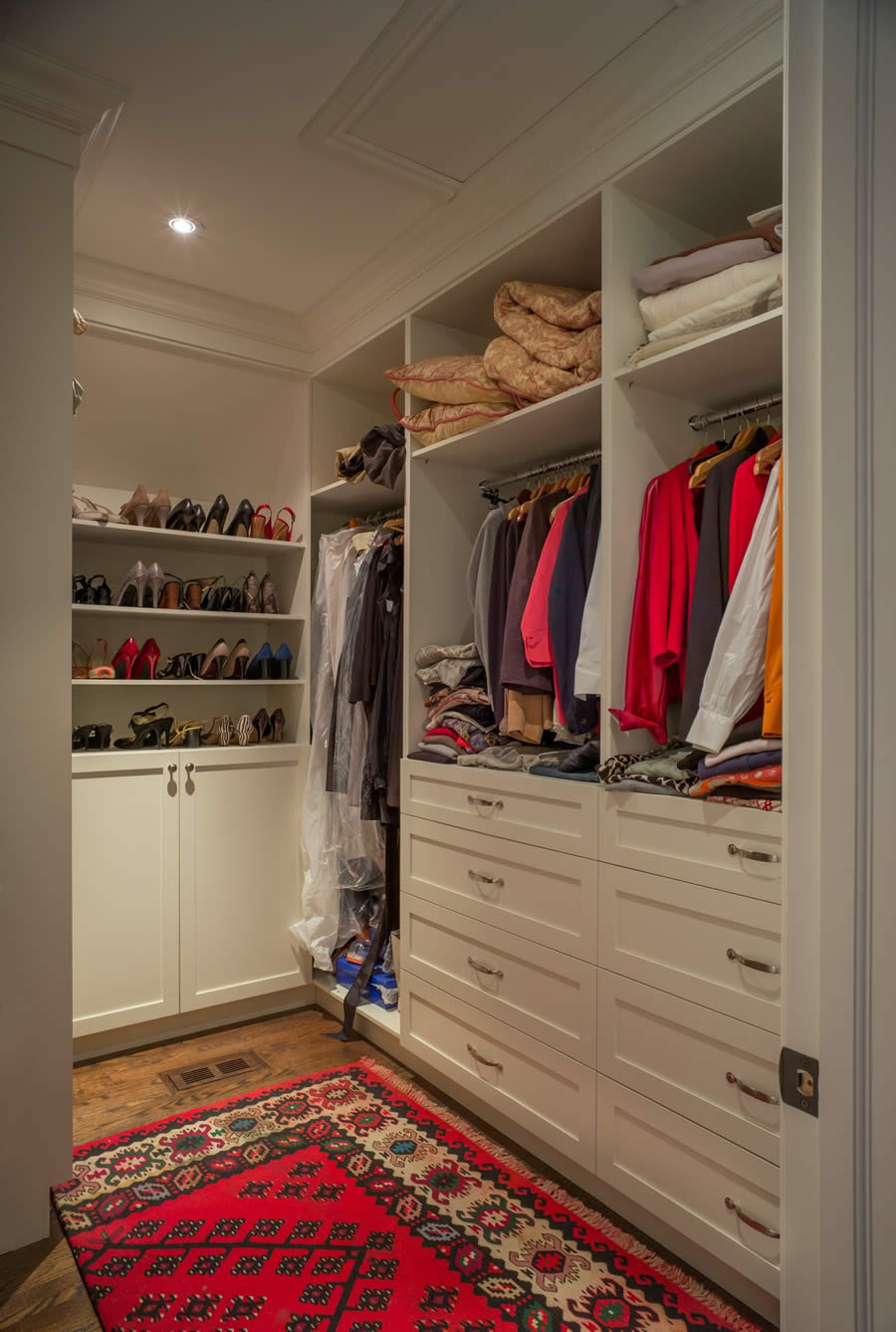
Closet shelves don't collapse without warning. The warnings show up weeks or months earlier in the form of sagging brackets, pulling anchors, and rods that have started to bow under the weight of what's hanging on them. Mr. Handyman has responded to enough closet repair calls to know that most of them were preventable with a ten-minute walkthrough. A handyman service visit before something fails costs a fraction of what emergency repairs run after a full shelf system comes down on your floor. If your closet has been making you uneasy every time you open the door, keep reading to find out what to look for.

How To Spot Weak Structural Points In Your Wardrobe System Before A Closet Repair Emergency

Why Closet Systems Fail From the Wall Anchor Out

The shelf itself is rarely the problem. By the time a shelf buckles or drops, the failure has already happened behind it, at the point where the bracket meets the wall. Wall anchors are the load-bearing foundation of any closet system. When they're installed into drywall without hitting a stud, they're working against physics from day one. A plastic toggle anchor can hold modest weight in the short run, but add a winter coat collection or a stack of folded jeans, and it starts to migrate outward from the wall surface.

Look at the anchors or screws holding your brackets in place. If the screw head sits flush, you're fine. If it's pulling away from the bracket surface or the wall material around it looks dimpled or cracked, the anchor has begun to fail. Brackets mounted into studs will show no movement at all when you push on them firmly. Brackets mounted into drywall alone will flex, wobble, or pivot slightly under pressure.

This is the most common failure issue a professional handyman finds during a closet inspection. The shelf and the rod look fine, but the wall connection is slowly losing its grip. And, every pound of clothing is accelerating the process.

How to Read the Early Warning Signs

A bowing rod is the most visible warning sign, and most people ignore it because the rod hasn't broken yet. Closet rods are sized for specific spans. A standard 1-3/8 inch diameter steel rod can span roughly 48 inches without serious deflection under normal loads. Longer spans, heavier garments, or both push the rod into a visible curve that transfers stress back to the end brackets and their wall connections. Check your mounting hardware with these steps:

Our Services

Mailbox Repair & Installation

Rust, a broken door, loose hinges, or a leaning post can make your mailbox unreliable. Since it sits…

Read More

TV Mounting

A new TV is always fun until you need to figure out where it belongs. Leaving it on…

Read More

Step & Stair Repair

Daily use takes a toll on steps and stairs. The creaks, wobbles, or cracks that show up might…

Read More

Railing Repair and Installation

For families with kids, aging parents, or frequent guests, railings keep activities safe. Mr. Handyman works with homeowners…

Read More

Caulking

Big renovations get attention, but the truth is, many of the problems inside a home start small. Gaps…

Read More

Painting Service

Color has a powerful effect on how a space feels. A fresh coat of paint can brighten a…

Read More

Trim Repair

Walk up to any house and your eye catches the trim before almost anything else. Around the garage,…

Read More

Storm Door Installation

Adding a storm door gives your entry a finished look and protects it from wind, rain, and extreme…

Read More
  • Push up on the center of the rod. More than a quarter inch of flex means the span is too long or the load is too heavy for the rod diameter.
  • Grip each bracket and pull it gently away from the wall. A visible gap or movement indicates anchor failure or an undersized fastener.
  • Inspect the shelf surface above and below each bracket mounting point. Cracks, bubbling paint, or compressed drywall paper are signs that the fastener is pulling through.
  • Look at wire shelf clips where applicable. Bent or spread clips mean the shelf has shifted under the load.

Each of these problems compounds the structural weakness until the system reaches a tipping point and fails completely. A closet repair at the bracket stage costs less than replacing damaged flooring, clothing, or an entire shelving system after a collapse.

Which Wall Materials Create the Most Vulnerability in Closet Installations

Not all walls behave the same way under a loaded closet system. Drywall without stud backing is the weakest substrate for closet hardware. It's also the most common installation surface because studs don't always line up where the design requires brackets. Installers use hollow wall anchors to compensate, but those anchors have weight limits that get exceeded quickly in a working closet.

Plaster walls have a different set of problems. Plaster is harder than drywall, but more brittle. Older plaster-and-lath construction can crack and separate from the lath behind it when anchors are driven in without care. If you live in a house built before 1960, your closet walls may be plaster. The surface cracks radiate outward from the anchor point rather than showing a clean pull-through.

Masonry walls and concrete are the most stable substrates, but they require masonry anchors and the right drill bit. A standard wood screw driven into concrete without a proper sleeve anchor will back out. If your closet was installed by someone who used the wrong fastener type for the wall material, a local handyman can identify the mismatch and re-anchor the system correctly before it fails.

When You Need a Closet Repair Versus a Full System Replacement

A single failing bracket with solid wall material around it is a simple repair. A professional can pull the old anchor, patch the hole if necessary, locate the stud or install a proper toggle anchor rated for the load, and remount. The shelf goes back to being level, the bracket holds, and the system is stable. That kind of closet repair takes less than an hour for an experienced handyman. Replacement becomes the better option when:

  • Multiple anchor points have failed across the same wall.
  • The shelf panels themselves are warped, cracked, or delaminated.
  • The original installation used incorrect fastener types throughout.
  • The system design doesn't match the wall's structural capacity.

Wire shelving systems are modular and easier to reconfigure than solid wood or melamine systems. If the wire clips, standards, or wall tracks have bent or separated from the wall, replacement components are available. But if the track was never anchored into studs and the drywall around it is damaged, a full reinstall into proper blocking is the more durable solution.

A handyman service assessment gives you a clear answer before you spend money on parts. The evaluation identifies which components are salvageable and which need to go, so you're not guessing at a hardware store.?

Get Ahead of the Collapse

A ten-minute inspection catches the problems that turn into emergency calls. Check your anchors, test your brackets, look at your rod span, and pay attention to the wall material behind the hardware. If anything moves that shouldn't, or if you see wall damage around a mounting point, don't wait. Mr. Handyman provides dependable closet repair and structural assessments for homeowners who want the job done right the first time. Our technicians are background-checked and experienced with the full range of closet systems and wall types. Call us to schedule an appointment.


Social Media :
Latest Updates

Recent Posts

How To Spot Weak Structural Points In Your Wardrobe System Before A Closet Repair Emergency 11 Jun, 2026
11 Jun, 2026

How To Spot Weak Structural Points In Your Wardrobe System Before A Closet Repair Emergency

Closet shelves don't collapse without warning. The warnings show up weeks or months earlier in the form of sagging…

Read More
Popular Interior Carpentry Trends for Modern Homes 07 Jun, 2026
07 Jun, 2026

Popular Interior Carpentry Trends for Modern Homes

Renovation content is everywhere right now, and it has a lot of homeowners looking for areas to update in their living…

Read More
How Tile Repair Supports Better Bathroom and Kitchen Maintenance 30 May, 2026
30 May, 2026

How Tile Repair Supports Better Bathroom and Kitchen Maintenance

Tile surfaces are a crucial part of modern bathrooms and kitchens. Over the years, tiles have become increasingly popular in homes…

Read More
How Stair Repairs Improve Home Safety and Appearance 20 May, 2026
20 May, 2026

How Stair Repairs Improve Home Safety and Appearance

Stairs get kicked and take a beating every day. Family members rush up and down them, guests walk across them, and…

Read More