Choosing the Right Mesh for Your Climate and Needs
Mesh selection drives how a screen performs in your specific conditions, and the right material depends on what you want the screen to do beyond keeping out flies. Here are the most common mesh types and what they can handle:
- Fiberglass: Standard mesh, low cost, fine for low-traffic windows
- Aluminum: Stronger than fiberglass, resists denting, and works for ground-floor windows.
- Pet-Resistant: Vinyl-coated polyester, seven times stronger than fiberglass, stops claws and chewing
- Solar Mesh: Blocks 70 to 90 percent of UV rays, drops indoor temps on south-facing windows
- No-See-Um: Tighter weave, stops gnats and sand flies that can get through standard mesh
- Pollen-Blocking: Microscopic weave catches allergens before they enter the home
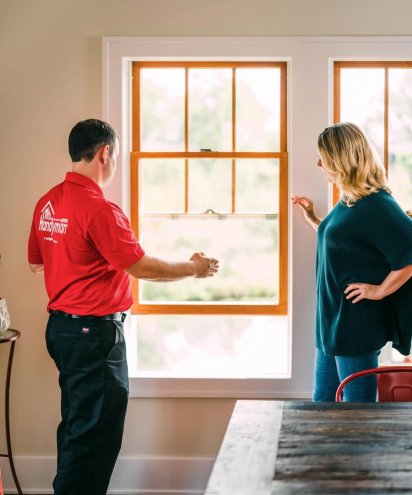
Talk through the use case with your handyman service in Furlong, PA before they order materials. A sliding patio door with two large dogs needs a different mesh than a second-story bedroom window. Picking the wrong mesh could mean replacing it within a year, so making the right choice up front saves money.
Frame Options That Affect Durability and Style
Frame material decides how long the screen lasts and how it looks against your house. Standard retail screens almost always use thin aluminum extrusions with mitered corners held by plastic keys. Those corners loosen, the frame racks out of square, and the whole unit twists when you try to install it. Custom frames give you a wider range of choices:
- Heavy-Gauge Aluminum: Holds shape on large openings, available in bronze, white, black, and tan
- Roll-Formed Steel: Used on security screens, resists impact and forced entry
- Wood: Matches historic homes, requires sealing every few years
- Vinyl-Clad: Low maintenance, color stays consistent under sun exposure
Welded or screwed corners outlast pressed-key corners by a wide margin, especially on screens larger than 30 by 60 inches. Ask the installer how they build corners before signing off on the work. A quality screen installation hides the spline on the interior side, which keeps the exterior view clean.
Fitting Odd-Sized or Older Windows Without Hassle
Homes built before 1980 rarely have square window openings. Settling shifts the frame, old plaster work leaves uneven stops, and storm window tracks add their own quirks. Standard screens force you to either modify the window or accept gaps. Neither option ends well.
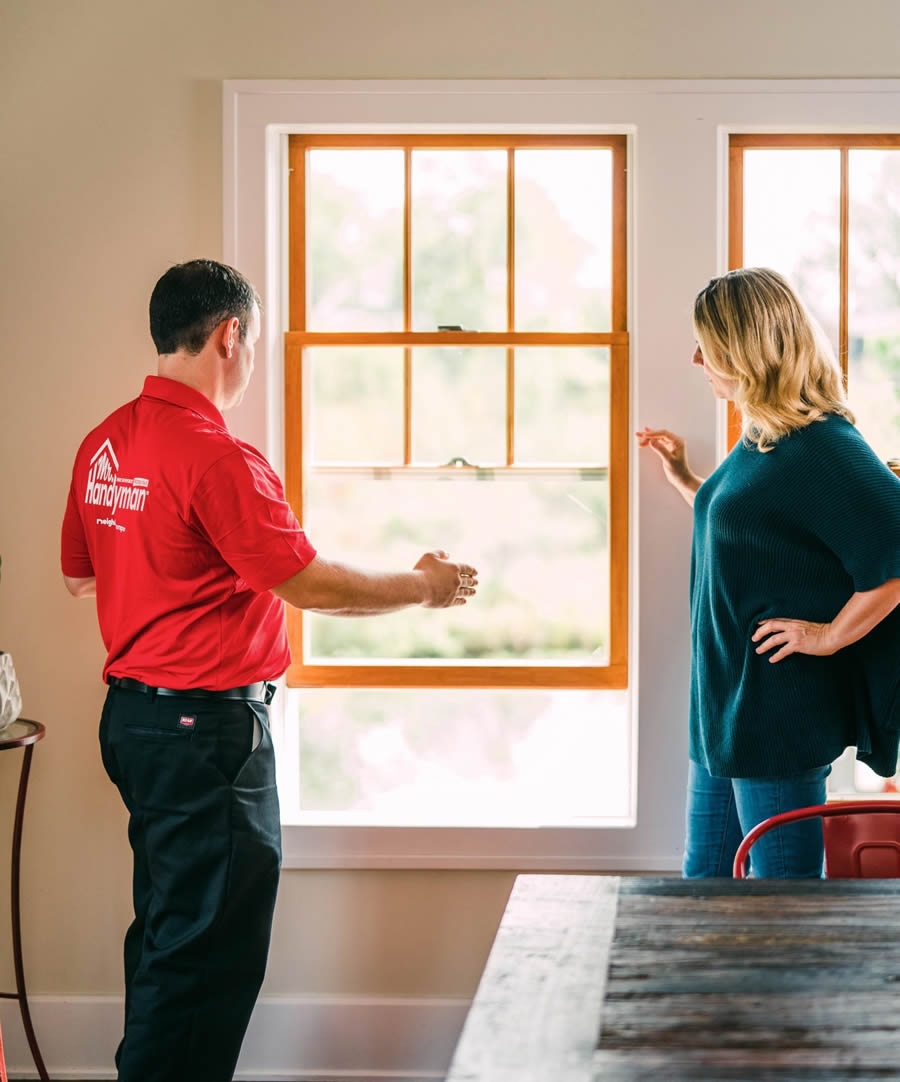
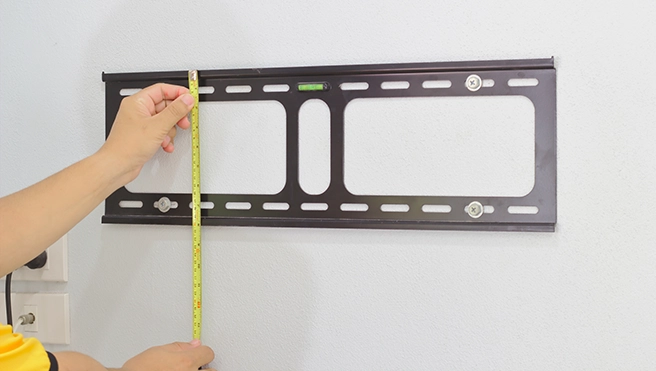
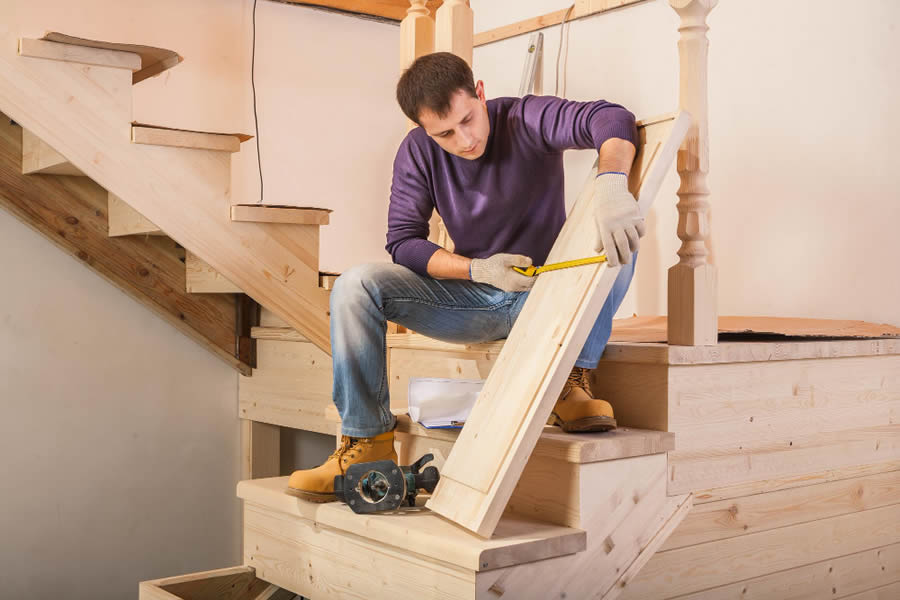
A custom screen installation measures the opening at the top, middle, and bottom, then builds to the smallest dimension with a slight taper to match the frame. For arched windows, bay windows, or transoms, the screen gets templated from a cardboard pattern cut on-site. Round and half-round screens require bent frames, which retail outlets don't carry at all.
Older double-hung windows have a separate problem. The original screen track might be 7/16 inch instead of the modern 5/16 inch standard. A handyman familiar with vintage hardware can build screens to the legacy dimension or retrofit modern tracks without damaging the sash. Trying to force a stock screen into a 1920s window casing usually cracks the trim.
The Cost Difference Between Custom and Standard
Standard screens run $20 to $40 each at hardware stores. Custom screens cost $80 to $200 per window, depending on size, frame material, and mesh type. A standard screen lasts two to four seasons before the mesh sags, the frame bends, or the corners separate.
Replacing four standard screens twice in eight years costs $160 to $320, plus your time hauling them home and fitting them. Custom screens installed by a handyman service typically last 15 to 20 years with a single mesh re-spline around year ten, which runs about $25 per screen. The custom path costs more on day one and less by year five.
How Long Each Type Holds Up Before Needing Replacement
Lifespan tracks directly with frame gauge, mesh quality, and installation precision. A standard screen with fiberglass mesh in a sunny location starts sagging by month 18. The plastic corner keys fail around year three. Most homeowners replace the entire unit before year five.
Custom screens with heavy-gauge aluminum frames and properly tensioned mesh last 15 to 25 years on shaded windows. Sun-exposed screens lose mesh tension faster, so plan on a re-spline around year 10 to 12. The frame outlasts two or three mesh replacements, which is where the cost advantage compounds. Pet-resistant and solar mesh have similar lifespans when installed at the correct tension.
Storage habits are also important. Screens removed and stored flat in a garage during winter last longer than those left in place through freeze-thaw cycles.
Is It Time to Invest in Custom Screens?
Are you ready to stop fighting with screens that don't fit and don't last? Call Mr. Handyman today to schedule a measurement and quote for custom screens built to your windows. Our technicians handle the measuring, building, and installation start to finish, so you get screens that work the first time and hold up for years.